ReSTIR for Real-Time Ray Tracing
Fall 2026 | HKUST COMP5411 course project
This course project integrates RTXDI and Falcor to study spatial reuse in ReSTIR direct illumination, global illumination, and path tracing.
Project work includes adaptations of PDF-similarity and CGNS-based spatial reuse, reproducible scene and camera configurations, experiment capture scripts, and shared offline image-quality analysis.
What the project explores
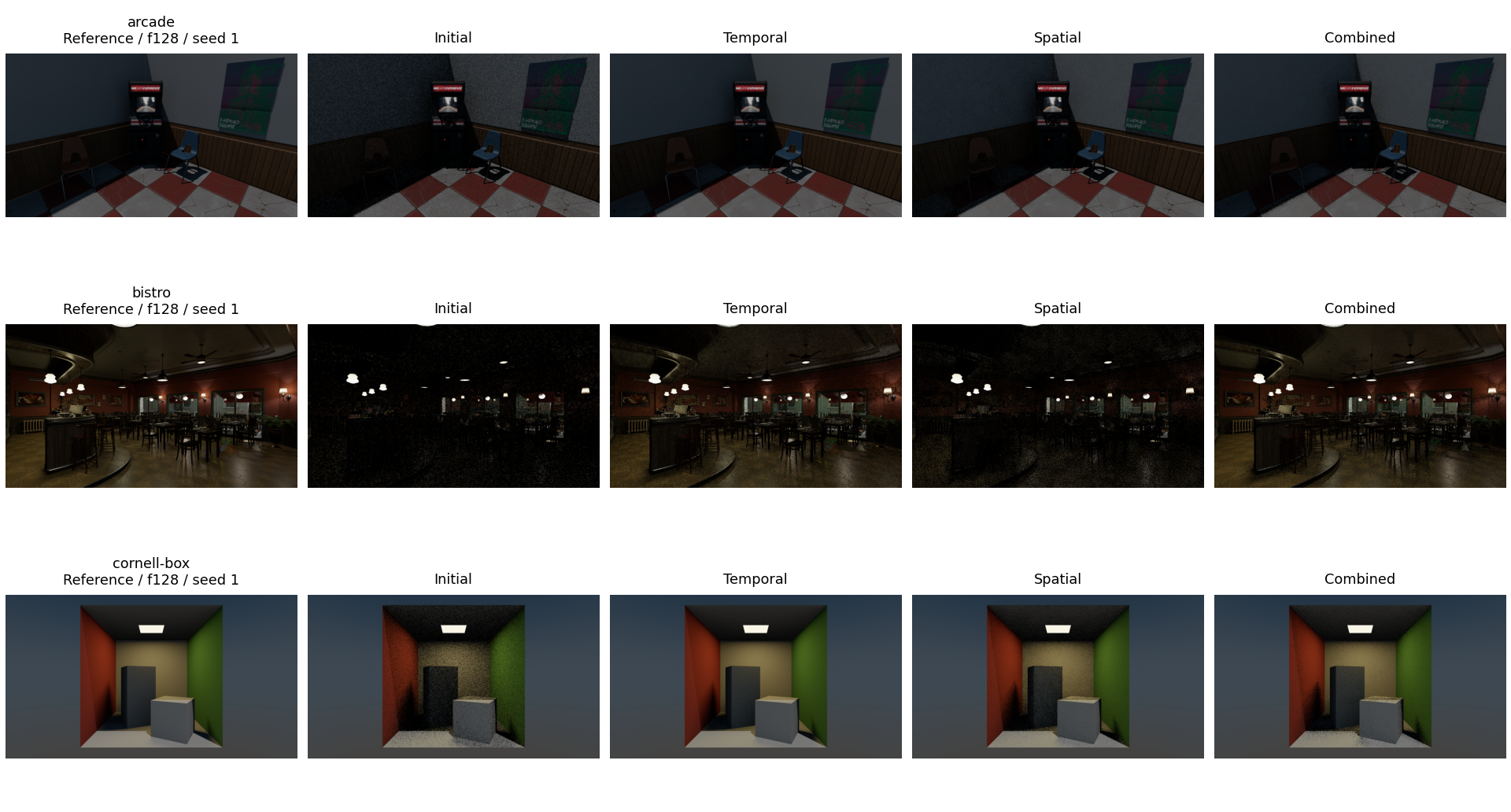
ReSTIR reuses samples across nearby pixels and previous frames. This project asks how spatial neighbor selection affects the usefulness of that reuse across direct illumination, global illumination, and path tracing.
- Renderer integration: experiment infrastructure built on RTXDI and Falcor, retaining their upstream rendering implementations.
- Spatial reuse: baseline selection alongside project adaptations of PDF-similarity and CGNS-based methods. The adaptations have different supported settings and should not be treated as interchangeable implementations.
- Experiment workflow: reusable scene and camera configurations, controlled capture scripts, reference-image handling, and offline image-quality analysis.
The Research Roadmap organizes related literature and research directions.
Reference scene gallery
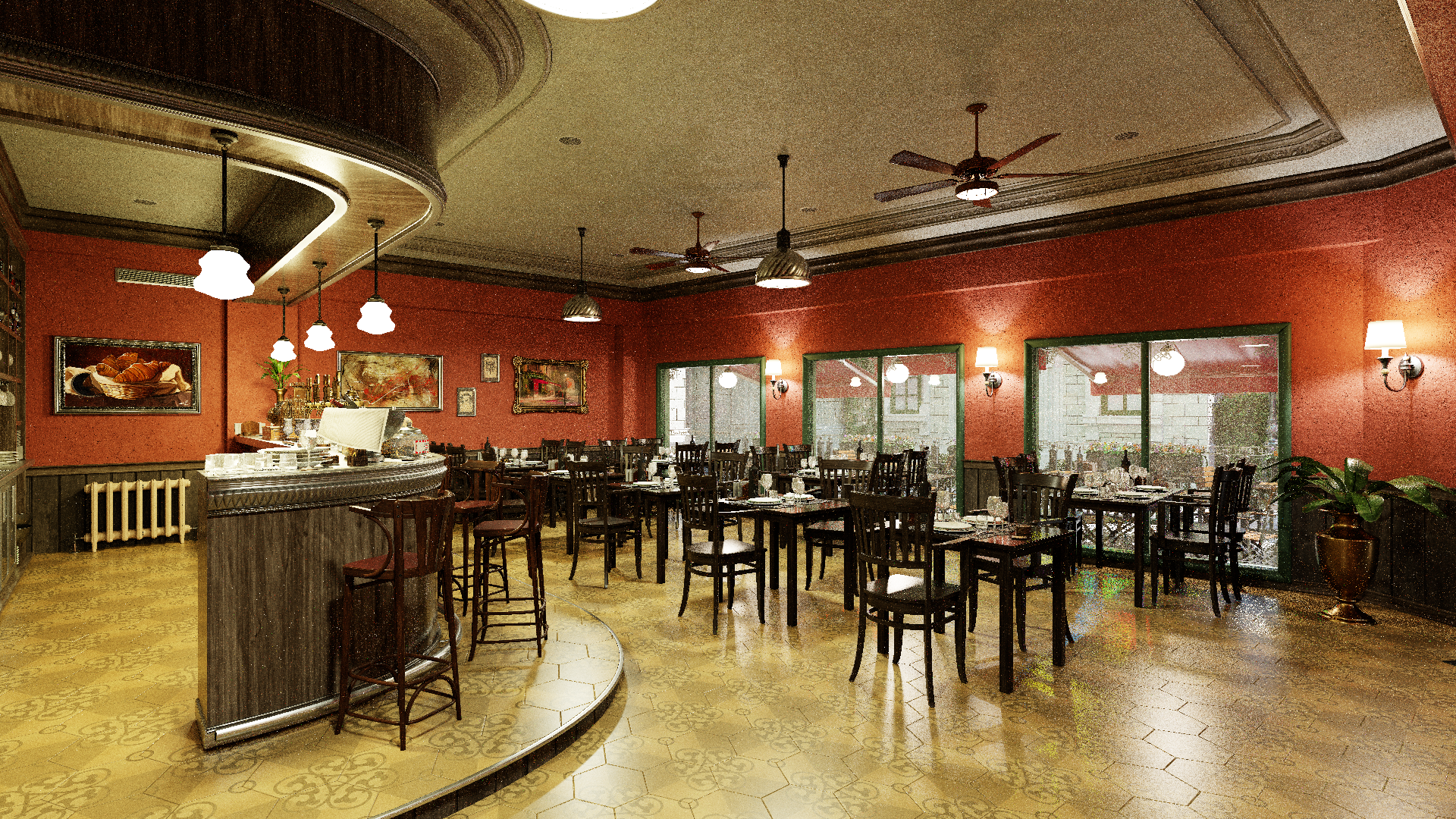
Reference preview, 16,384 spp. Scene source: Amazon Lumberyard Bistro (2017), via NVIDIA ORCA; CC BY 4.0. Scene adapted for Falcor; rendered in this project.
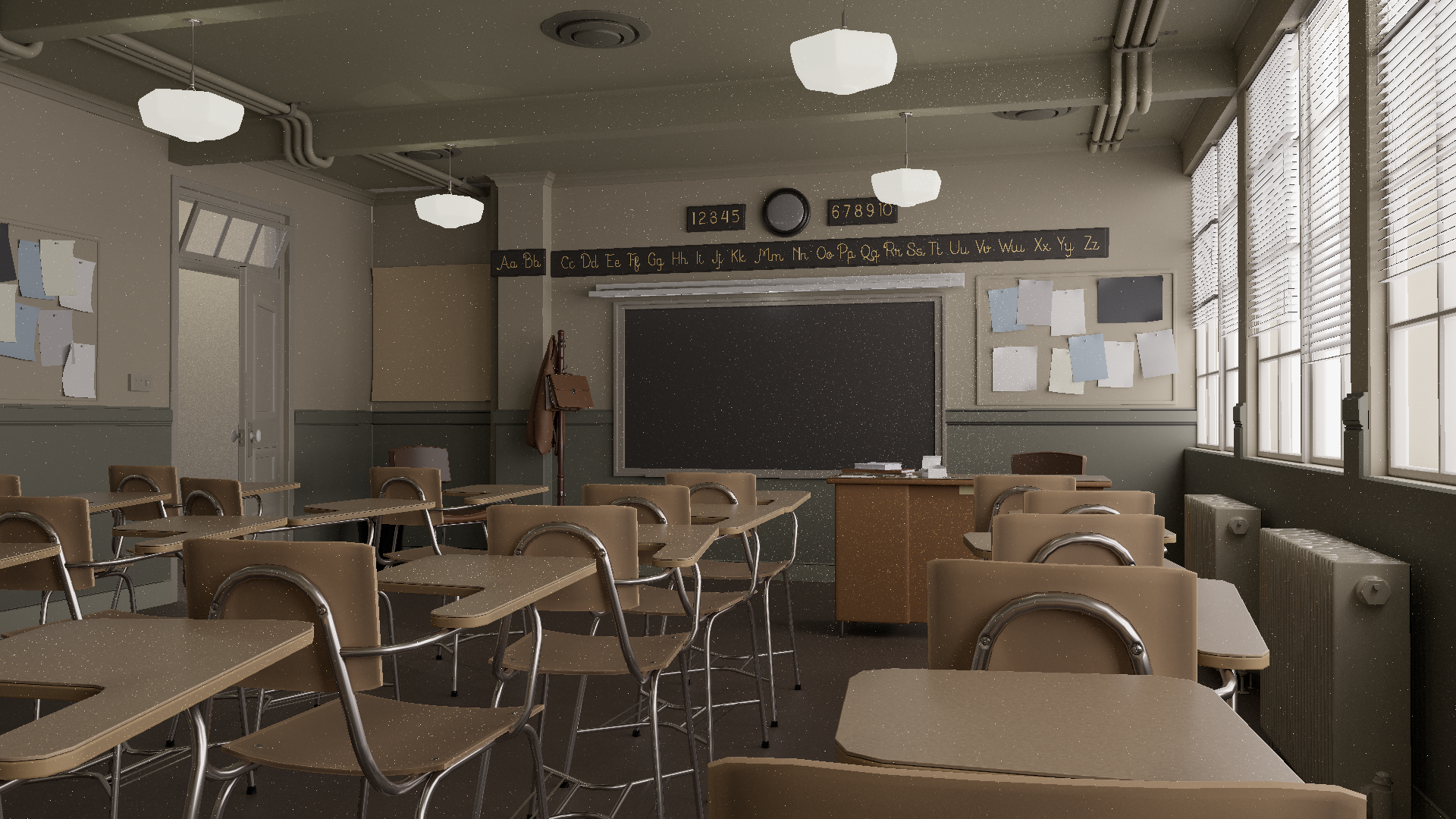
Reference preview, 16,384 spp. Scene source: Christophe Seux, via Blender demo files; CC0. Rendered in this project.
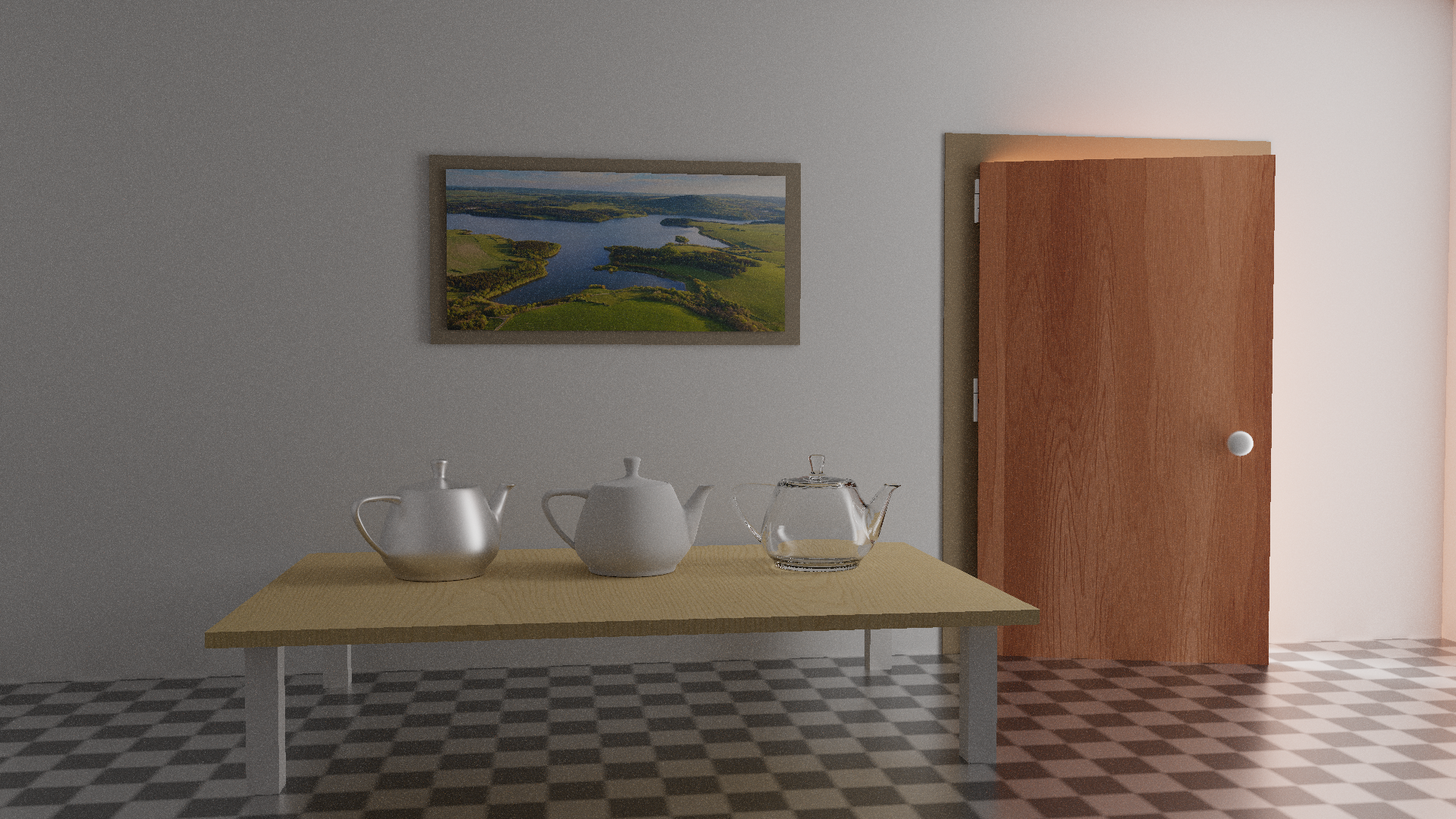
Reference preview, 16,384 spp. Scene source: Benedikt Bitterli rendering resources; CC0 / public domain. Rendered in this project.
Baseline Rendering Comparison